
“What would happen if Ebola came here?”
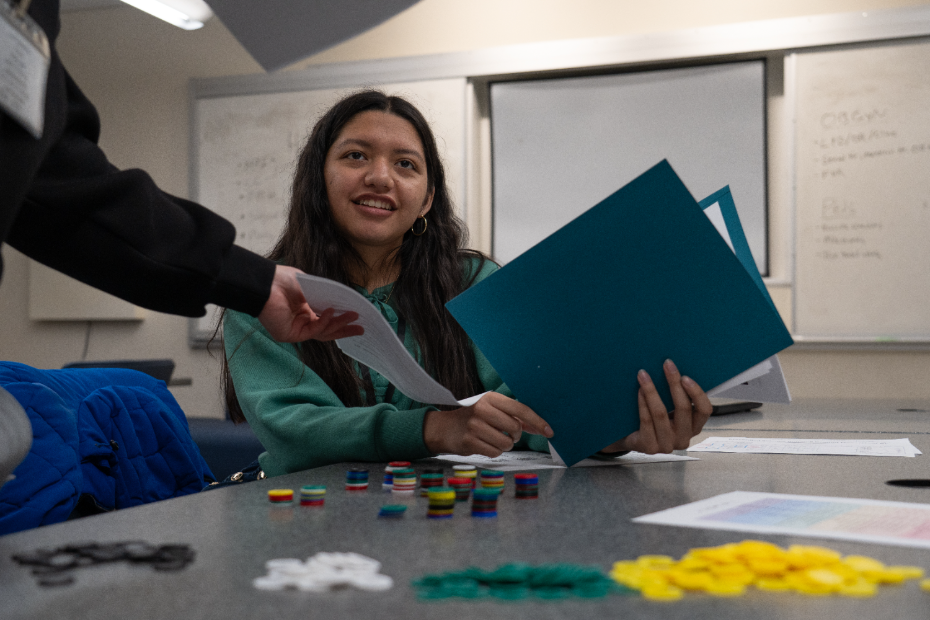
In 2015, at the height of the Ebola outbreak in West Africa, a student in Dr. Todd Brown’s middle school civics class asked that question. Seeking to enrich his students’ understanding of outbreak science and governance, Dr. Brown invited Dr. Pardis Sabeti, a Harvard professor and infectious disease researcher at the Broad Institute of MIT and Harvard, to speak with the class. Their conversation led Brown to develop an outbreak science curriculum and a live-action, sticker-based outbreak simulation. Recognizing its potential, Dr. Sabeti and her lab joined as advisors, working alongside Dr. Brown to refine and expand the experience.
 Stephen Gire / Sabeti Lab
The classroom simulation became an app
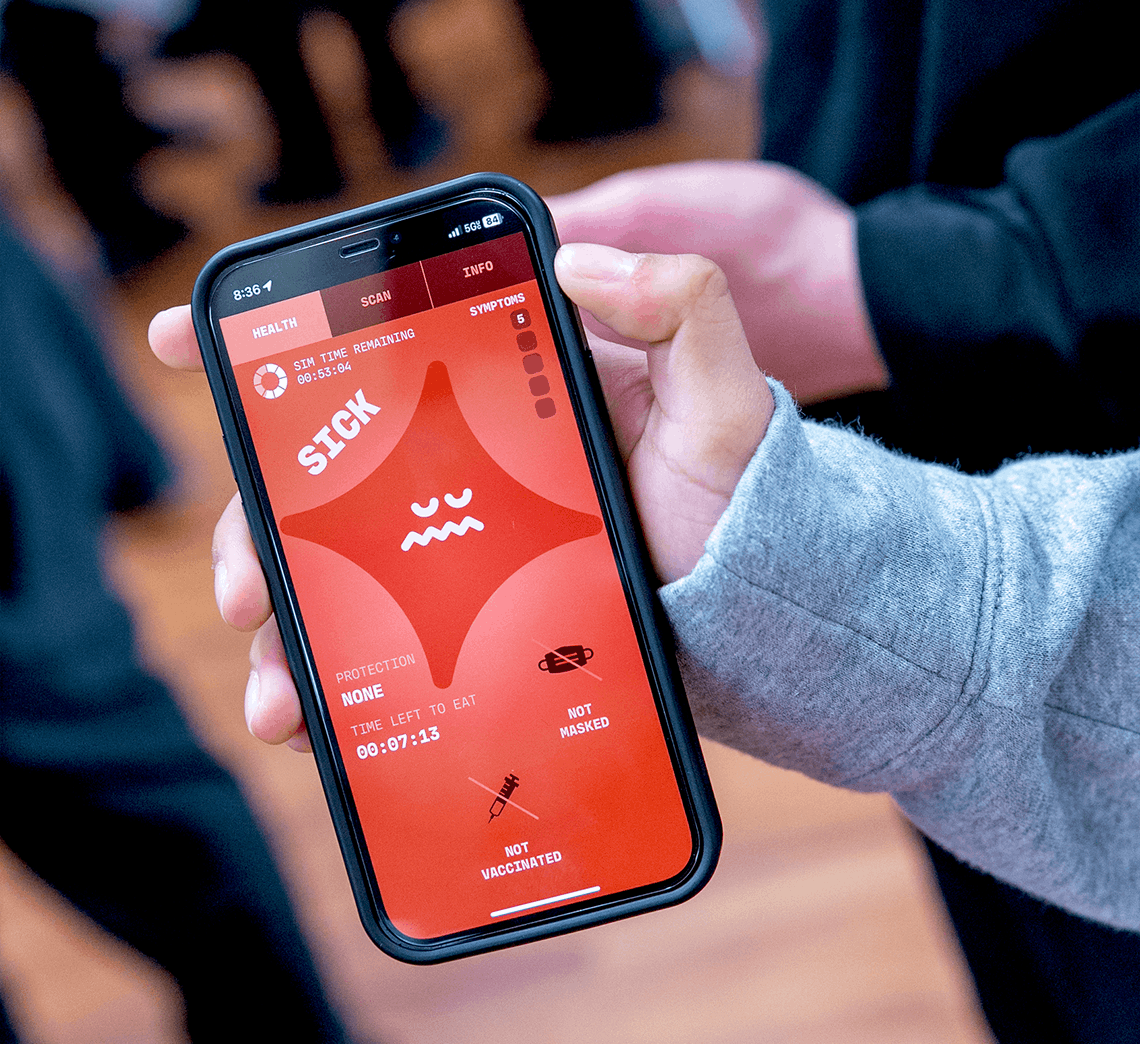
To improve realism, the team partnered with Dr. Andres Colubri, then a postdoctoral fellow in the Sabeti Lab, to develop a new way to model pathogen spread: an app that used Bluetooth technology to transmit a fictional pathogen across participating smartphones. In 2017, the first Bluetooth-based outbreak simulation was successfully run.
A simulation met a real pandemic
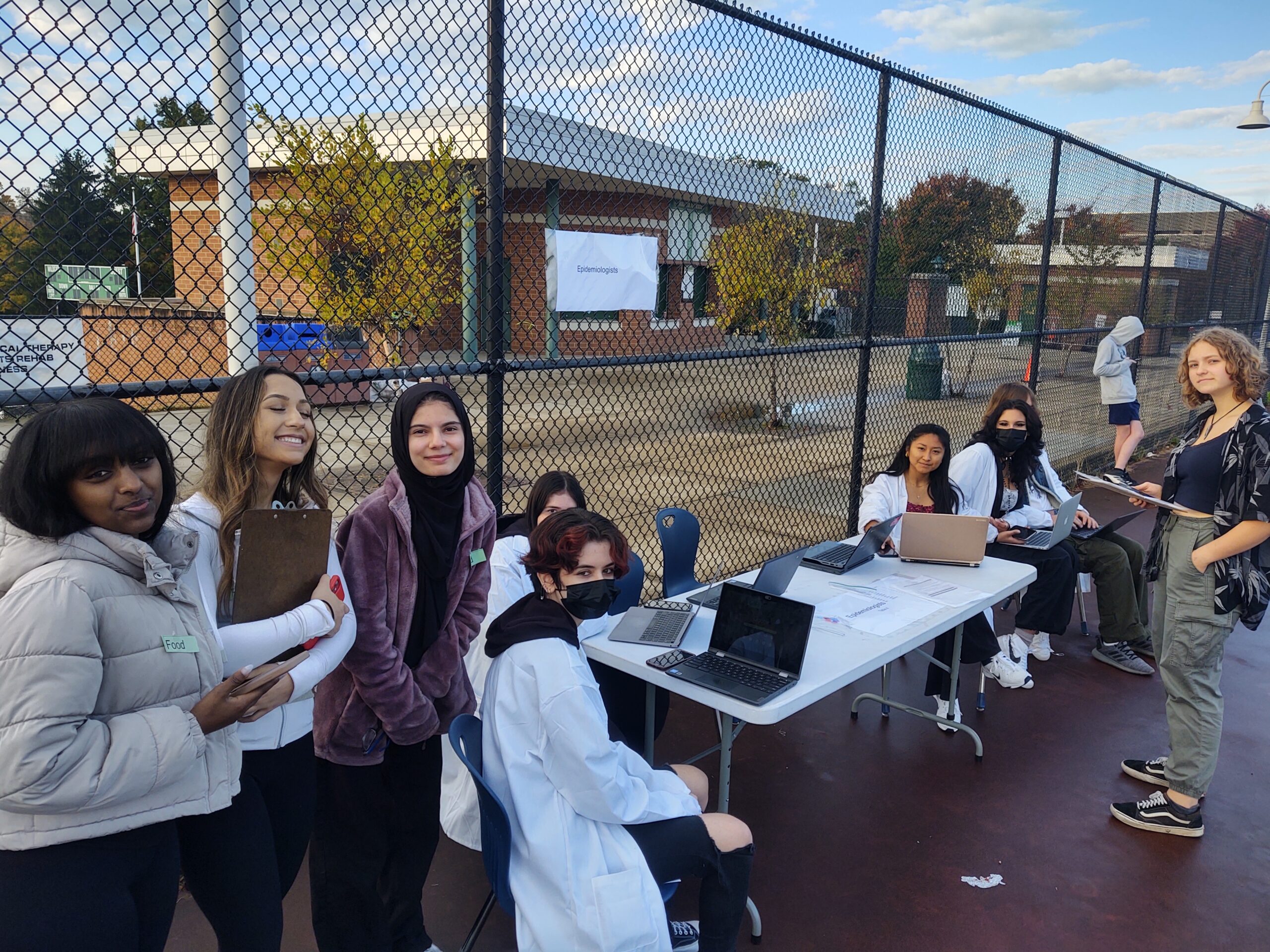
When COVID-19 emerged, outbreak education and preparedness became more urgent than ever. Kian Sani, a longtime member of the Sabeti Lab who had worked on infectious disease diagnostics as a Harvard undergraduate, joined the project to help scale Operation Outbreak into a tool that could support real-world mitigation efforts and train the next generation of responders. Colubri, now at UMass Chan Medical School, continued collaborating with the Broad Institute to advance the program. Data from earlier simulations also supported peer-reviewed research on transmission, behavior, and interventions.
From classroom project to independent nonprofit
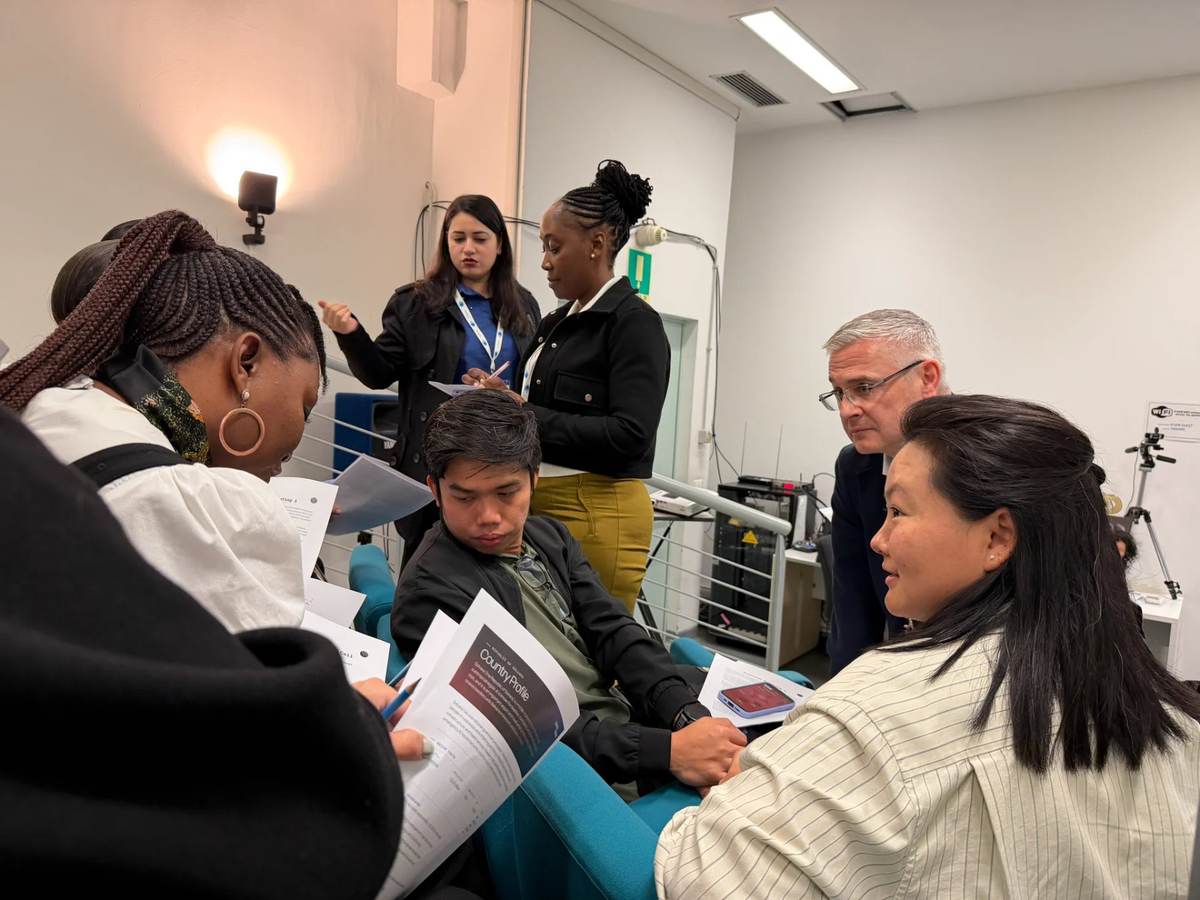
In early 2025, Brown, Colubri, Sabeti, and Sani co-founded Operation Outbreak, Inc. The new nonprofit began expanding the model beyond classrooms into public health and biosecurity training, including exercises for national agencies, recurring programs with international partners, and activations at global health security convenings. After the organization was established, Colubri transitioned out of the leadership team to focus on his independent research at UMass Chan.